
Where we work
Chile
Background
Chile is home to approximately 75–80% of South America's glaciers, vast ice masses that store the water essential for life. In 2020, the area covered by persistent snow and glaciers reached 2.8 million hectares, about 10% of the world's glaciers. Despite their importance, Chile still lacks comprehensive legislation to protect them: the Glacier Protection Law has been in process for more than 20 years with little progress, while mining projects such as Pascua Lama threaten these areas and global warming accelerates glacier retreat.
The Atacama Desert, the driest in the world, features iconic dunes such as those in the Valley of the Moon and the Valley of Death. It faces severe pressures: mass tourism consumes scarce water and energy, while waste from the global "fast fashion" industry — discarded clothing, plastics and microfibres — reaches this remote ecosystem. Copper and lithium mining further exacerbate water scarcity.
Chile also holds approximately 2,900 volcanoes, 91 of them active, mainly in the Los Lagos and La Araucanía regions. These giants shape landscapes, rivers, forests and culture, but have been affected by unethical real estate expansion that consumes land, fragments ecosystems and displaces communities.
Harmonious alternatives exist. The Mapuche-Huilliche people, with their ancestral land management, protect watersheds and biodiversity while meeting human needs; permaculture designs agricultural systems modelled on natural ecosystems; and regenerative agriculture prioritises soil health, biodiversity and the restoration of natural water cycles. We are neither owners nor enemies of these giants; we are their guardians.
Our work in Chile
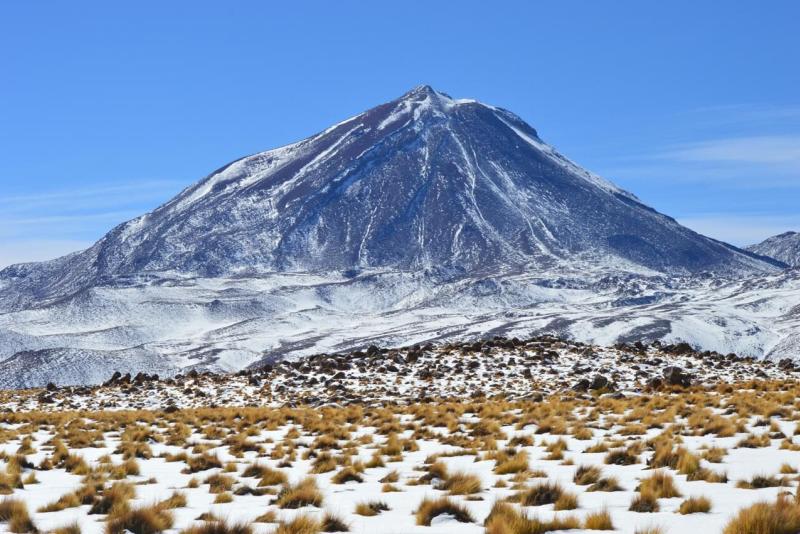
The Great Amnesia: Giants of the Earth
An advocacy campaign to protect Pachamama through a photography and documentary project on Chile's glaciers, dunes and volcanoes, the threats they face, and their interconnection.