
Where we work
Haiti
Background
The island of Hispaniola, in the heart of the Caribbean Sea, is shared by two nations rich in culture, solidarity, landscapes, values and spirituality: Haiti, with approximately 11.5 million people, and the Dominican Republic, with 10.8 million. Yet the two have experienced very different levels of development and political stability. While the eastern Dominican Republic has enjoyed decades of relative stability and economic growth, the western Haitian side faces one of the most prolonged and severe humanitarian crises in the Americas.
From the devastating 2010 earthquake and Hurricane Matthew (2016) to the assassination of President Jovenel Moïse in 2021, Haiti has fought for its survival. The country has also suffered relentless plundering of its natural resources through neocolonial powers, and is used as a base for drug trafficking routes from Latin America to North America. Haiti is now considered a failed state. Since 2021 it has had no democratically elected government and no functional state capable of guaranteeing basic rights. Port-au-Prince is largely controlled by armed gangs wielding de facto power through terror, extortion and sexual violence.
The crisis is compounded by severe hunger, a cholera outbreak, water scarcity, the collapse of the health system, and an economy shattered by centuries of plundering. Thousands of people are forced to flee every week. Most migrate first to the neighbouring Dominican Republic, where an estimated 1 million Haitians live, and from there many move onward to the United States (over 700,000 Haitian migrants) and Chile (over 200,000 Haitians), among other countries.
Crossing the border — an invisible line 392 kilometres long — has become increasingly dangerous, not only because of the physical wall being built by the Dominican government along 164 kilometres, but also due to increased militarisation, institutional corruption, and human smuggling networks, in which women and girls are especially vulnerable to trafficking for sexual exploitation.
Our work in Haiti
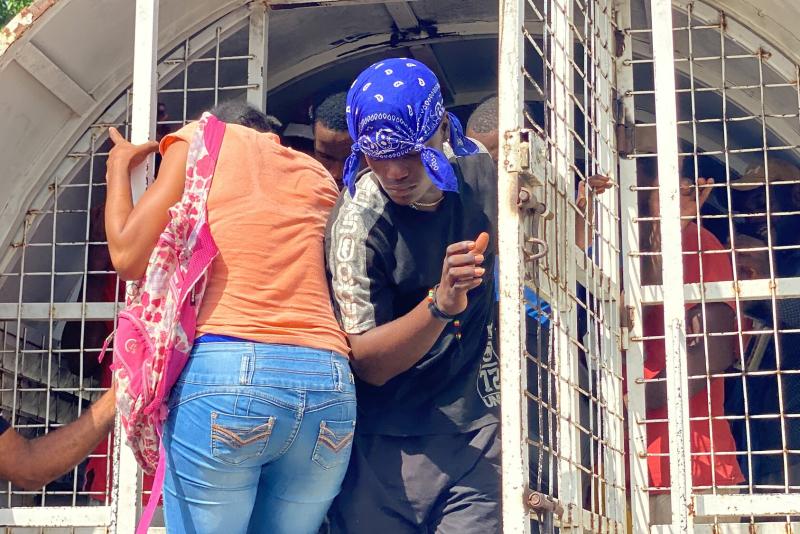
Mass Deportations. What If They Were White?
An advocacy campaign to stop the mass deportation of Haitians and Dominicans of Haitian descent, and to expose the human rights violations behind it.
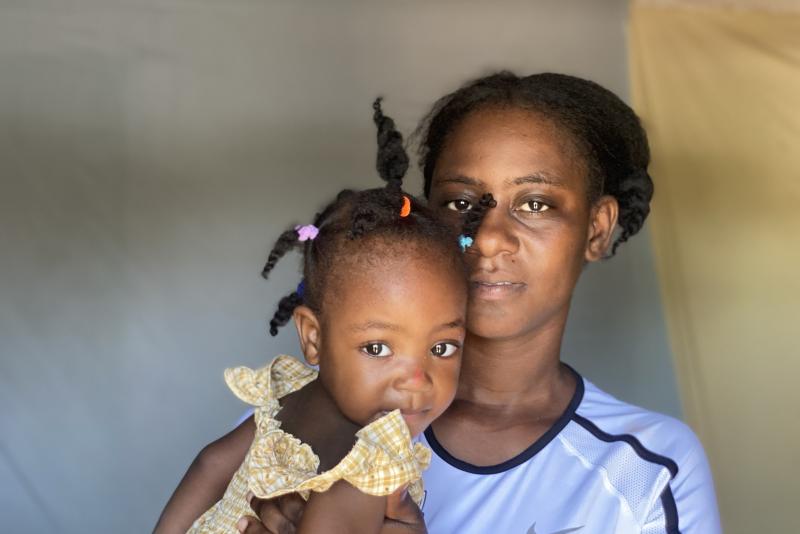
Stateless Families
Around 20,000 people were rendered stateless by the Dominican Republic's 2013 Constitutional Court ruling. WTTW works with families in the bateyes to restore nationality, documentation, education and employment.
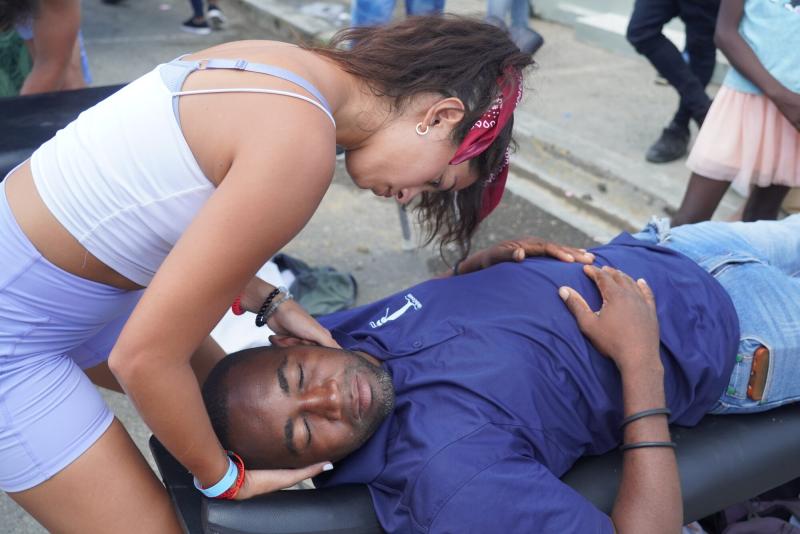
The Touch Healers
An ongoing documentary following Mission Life International Foundation, whose volunteer chiropractors offer free adjustments in the streets and markets of the Haiti–Dominican border.