
Stateless Families
The situation
In the Dominican Republic, hundreds of thousands of people of Haitian and Afro-descendant origin were denaturalised following the 2013 Constitutional Court ruling, popularly known as "La Sentencia" (TC/168/2013), which equated their legal status to that of children of transient foreign nationals. As a result, around 20,000 people were rendered stateless, stripped of nationality, legal protection and fundamental human rights.
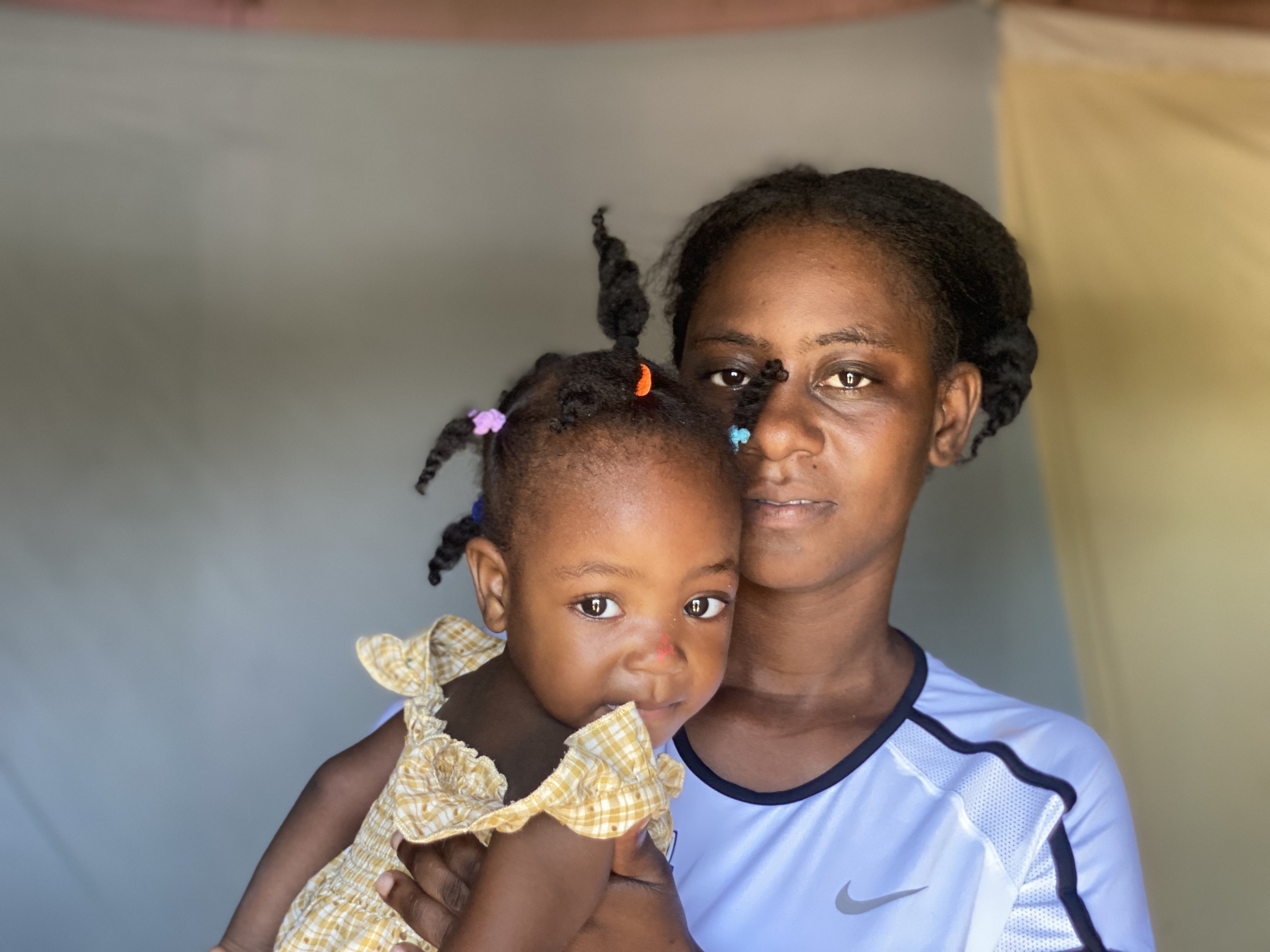
Most of these families live in Haitian bateyes — precarious settlements historically built around sugar cane plantations — where overcrowding, limited access to clean water, electricity and paved roads, and chronic hunger are daily realities. Descendants of Haitians and Afro-descendants face discrimination and cannot freely leave the bateyes to work or access healthcare, as lacking official documents exposes them to arbitrary deportation to a country many have never known.
The situation is exacerbated by mass deportations, averaging 10,000 people per week, alongside fifteen restrictive measures — including the militarisation of hospitals — that further confine and repress these communities. Deportees often pay $300 or more to return home, and cases such as recently postpartum mothers being deported highlight the human cost of statelessness. The 164-kilometre border wall between the Dominican Republic and Haiti compounds the crisis, symbolising and enforcing this division.
What we are doing
At WTTW we work to restore dignity and uphold nationality as a fundamental human right. Our approach begins with direct engagement alongside leaders and families in the bateyes, starting with Batey La Unión, near Puerto Plata. Through legal support — including strategic litigation, social programmes and community initiatives — we build networks that raise awareness of this crisis and generate concrete actions to demand respect for human rights. Our holistic model replicates successes from other interventions, such as the Guázuma sector, where we supported 47 families with education, employment, healthcare and dignity initiatives.
The project seeks to transform exclusion into opportunity by providing relevant education, legal status regularisation, nationality recognition and employment opportunities. By combining humanitarian, legal and cultural strategies, we work to dismantle the invisible walls of discrimination and vulnerability.
How can you help? Documentation sponsorship: a contribution of $250 will regularise the legal status of one person, starting with community leaders. Sponsor a child's education for only $10 per month. Organise drives to contribute school supplies, sports equipment or musical instruments. Host us at universities, cultural centres, festivals or public forums. Nationality is more than a legal status — it is dignity, identity, and the right to belong.