
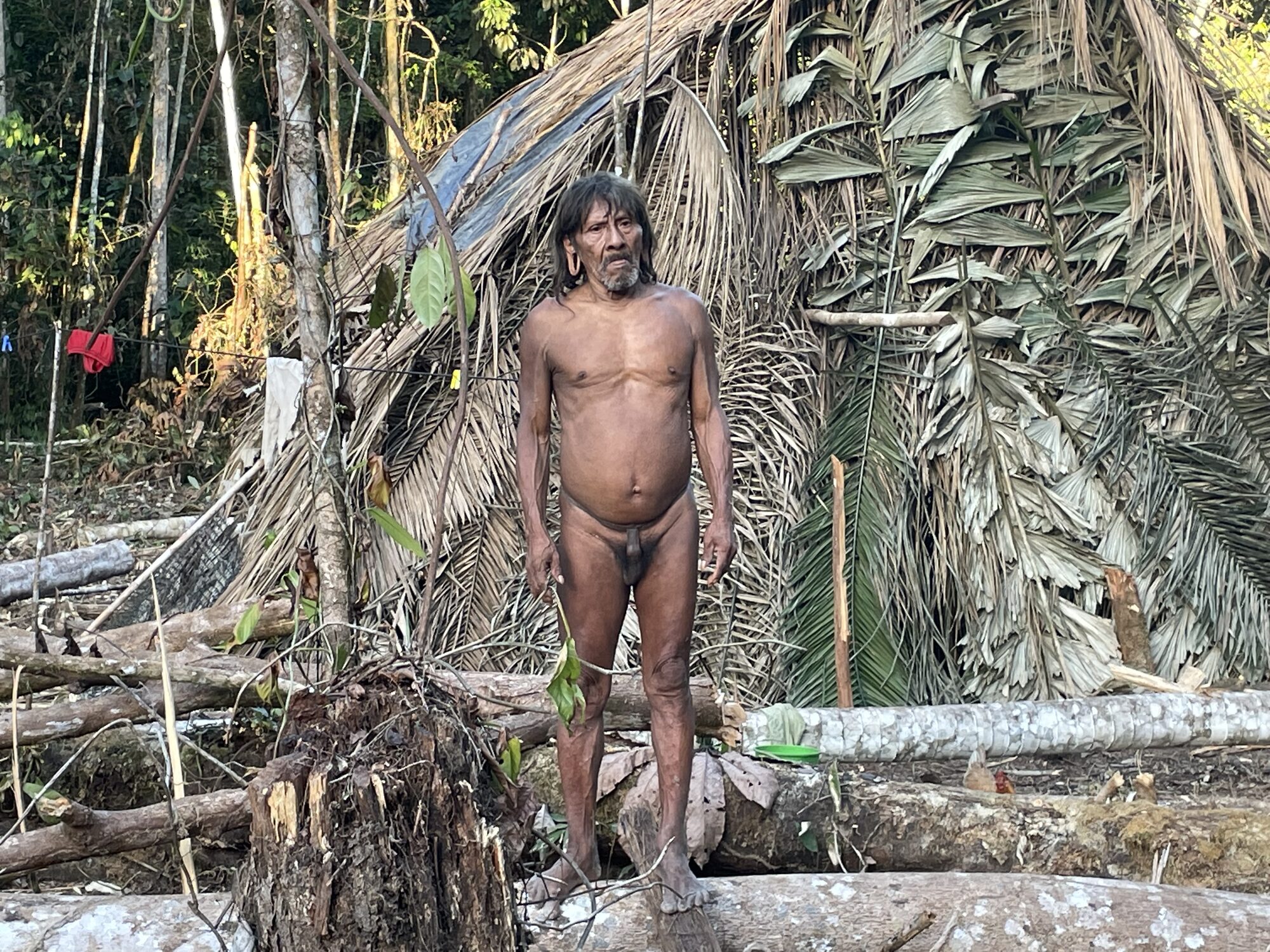
Waponi. Healing the Amazon Divide
The situation
The legal barrier represented by the ZITT is a tool designed to protect isolated peoples by restricting access to and exploitation of their territory. However, this barrier also presents challenges: it limits intercultural dialogue and can become an obstacle to the active participation of the Bameno Waorani in decisions that affect them, as well as to the respectful exchange of knowledge with the outside world.
The Bameno Waorani's first contact with Western society occurred about 50 years ago, and it was largely forced due to the expansion of the oil industry. This encounter was not merely with outsiders but with the culture of capitalism itself, bringing profound pressures and transformations. Such contact underscores the need for mutual respect, careful listening, and recognition of each other as brothers and sisters.
Globalisation has sparked a renewed defence of identity. One of the greatest risks is adopting a paternalistic approach to indigenous peoples, or worse, the commodification of ancestral knowledge within a predatory capitalist system. Yet we believe in the virtue of the encounter with the "Other": today's transculturation is not a loss but an opportunity.
What we are doing
Our response has three strands. Documentary: Waponi – Healing the Amazon Divide, exploring the complexity of legal and cultural barriers and amplifying the voices of isolated peoples, the Bameno Waorani, their ancestral guardians and defenders of the land. Reciprocal Knowledge Exchange, establishing a space where our multidisciplinary team — documentarians, doctors, yoga teachers, chiropractors, dentists and healers — can learn from and share knowledge with the Waorani community. Supporting Slow and Respectful Tourism, assisting the slow tourism initiative developed by the Bameno Waorani in whatever areas they request, respecting their rhythms, cultures and territories.
This project does not seek to impose but to serve as a bridge between two worlds coming together in harmony — learning from each other, healing historical wounds, and building a shared future grounded in reciprocity, respect and care for Pachamama.
How can you help? Visit Bameno respectfully through slow, responsible tourism guided by the Waorani community; support Waorani-led efforts in environmental conservation, education and economic autonomy; and amplify the story through your networks to raise global awareness about the ZITT, indigenous rights, and the urgent need to protect the Amazon and its peoples.