
Where we work
Peru
Background
In the southern hills of Lima lies the Wall of Shame, the longest urban barrier in the world at nearly 10 kilometres long. Built in the late 1990s, it physically and symbolically separates the exclusive neighbourhood of Casuarinas in La Molina from the informal settlements of Pamplona Alta and other precarious settlements in San Juan de Miraflores.
Through a habeas corpus filed in 2017 by lawyer Carlos Francisco Hinostroza Rodríguez, Peru's Constitutional Court declared the wall illegal, ruling that it violated fundamental rights including freedom of movement, equality and non-discrimination. In Expediente N.º 01606-2018-PHC/TC, issued on 20 December 2022, the Court ordered the demolition of the section built by the municipality within 180 days.
However, the privately constructed portion remains intact, continuing to stand as a symbol of exclusion and injustice. Today only about half of the wall has been removed, while the other half still hangs over thousands of residents like a modern-day Sword of Damocles.
Our work in Peru
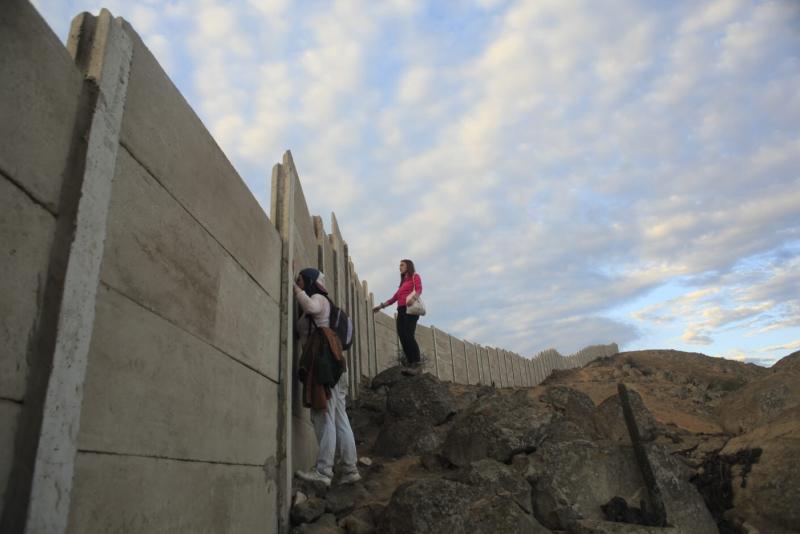
The Wall of Shame
From the Wall of Shame to a Canvas of Hope: transforming the remaining half of Lima's illegal dividing wall into a public park, a living mural and a community-run cultural destination.